Sensory Packaging Mechanics: Scaling High-Ticket ROI

Visual Anchors: Scaling High-Ticket E-commerce via Sensory Packaging Mechanics
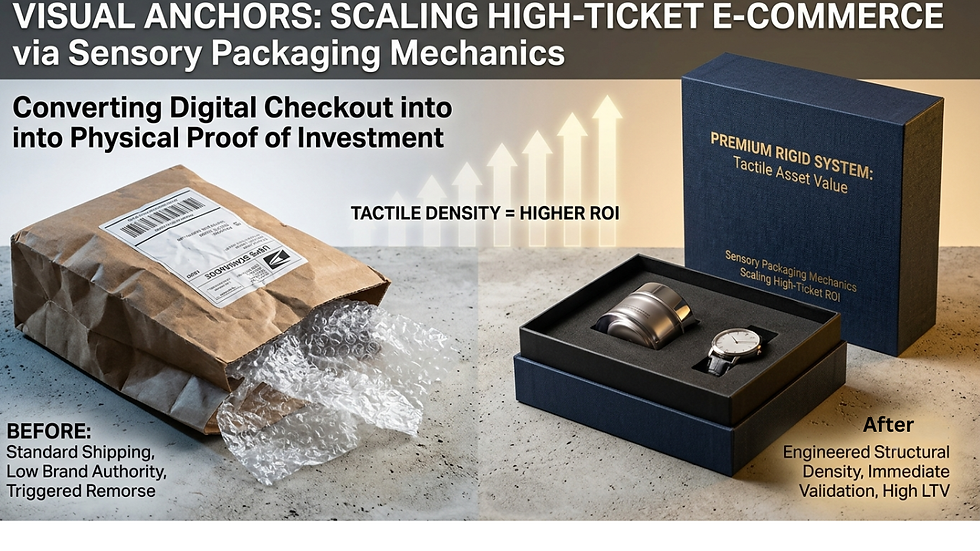
In premium e-commerce systems, conversion does not end at the digital checkout. True brand growth requires securing immediate post-purchase validation. When a high-ticket item arrives, the consumer demands physical proof of their investment.
Cheap, standard shipping mailers destroy premium brand authority instantly. They signal low quality and trigger immediate buyer's remorse. For enterprise brands, packaging is a vital sensory tool to lock in customer retention.
The Psychology of Tactile Asset Value
Human decision-making relies heavily on tactile physical sensory inputs. When consumers touch a premium object, their brain triggers an instant sense of product ownership. Plain cardboard setups completely fail to activate these crucial cognitive reward centers.
This physical failure actively suppresses long-term customer lifetime value. It reduces a premium purchase to a basic commodity transaction.
According to tactile consumer experiments published in the peer-reviewed Journal of Consumer Research, physical touch thickness directly alters how humans judge product quality and price fairness. High-grade structural density increases perceived asset value before the product is even opened.
Deploying Rigid Systems for Market Domination
Escaping the low-margin retail trap requires advanced material upgrades. High-growth brands must deploy physical containment units that match their luxury marketing promises.
Integrating premium rigid luxury custom gift boxes into fulfillment lines solves this issue. These structures utilize dense, non-collapsible cardboard walls wrapped in premium textured paper.
This structural choice provides elite protection for fragile high-ticket goods. The clean layout creates an immediate sense of prestige upon arrival. It transforms a standard shipping container into a highly desirable brand asset.
The Anatomy of Sensory Packaging
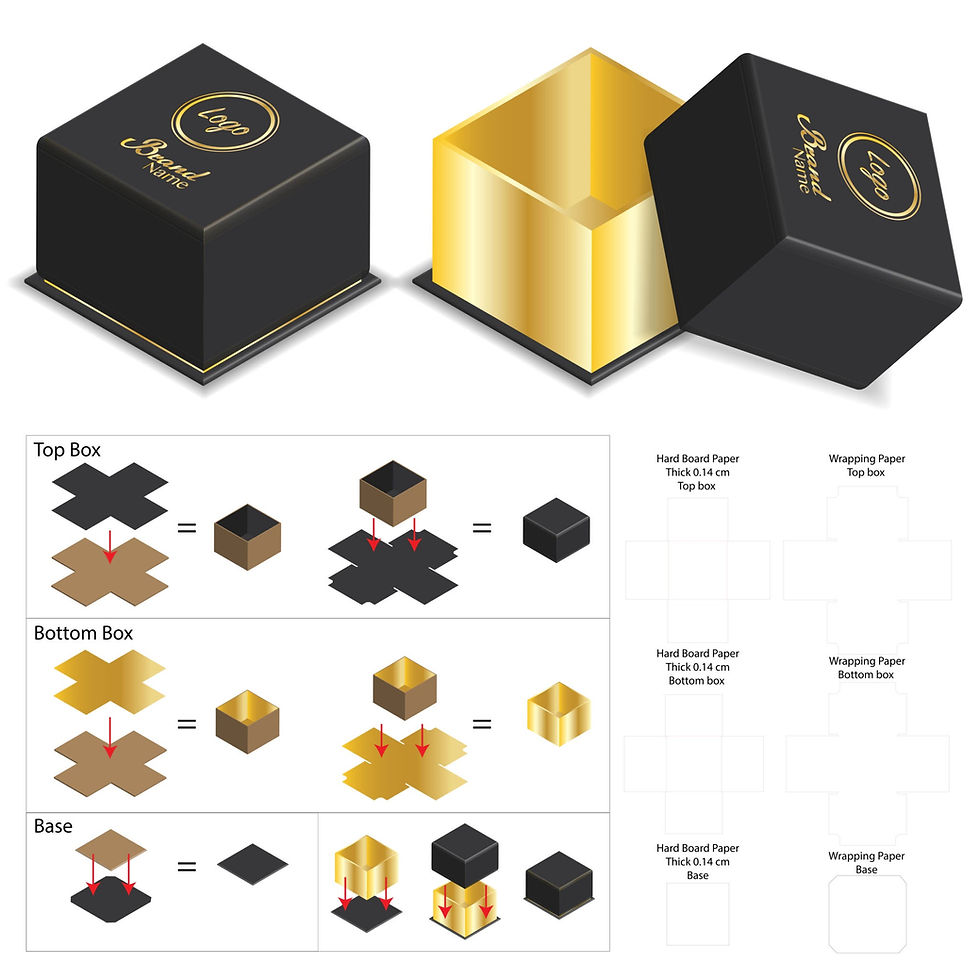
A standard cardboard box is collapsible and lightweight. In contrast, high-ticket rigid packaging relies on a multi-layered construction where a highly dense, non-collapsible chipboard core is wrapped in textured, premium face papers.
Operational Advantages of Precision Structural Layouts
Upgrading material thickness delivers massive supply chain efficiency improvements. Rigid structural frames offer exceptional vertical compression strength for long-distance transit.
This engineering minimizes product damage liabilities across complex logistics lines. It eliminates the need for messy internal bubble wrap layers.
Speeds up warehouse packing lines.
Drops per-order labor fulfillment costs.
Lowers expensive reverse logistics return overhead.
Maximizes net revenue margins effortlessly.
Conclusion: Structural Precision Protects Premium Growth
True market dominance requires checking every operational touchpoint for value leaks. Relying on basic packaging assets leaves a brand exposed to aggressive competitor scaling.


Comments